
A day in Gargilesse
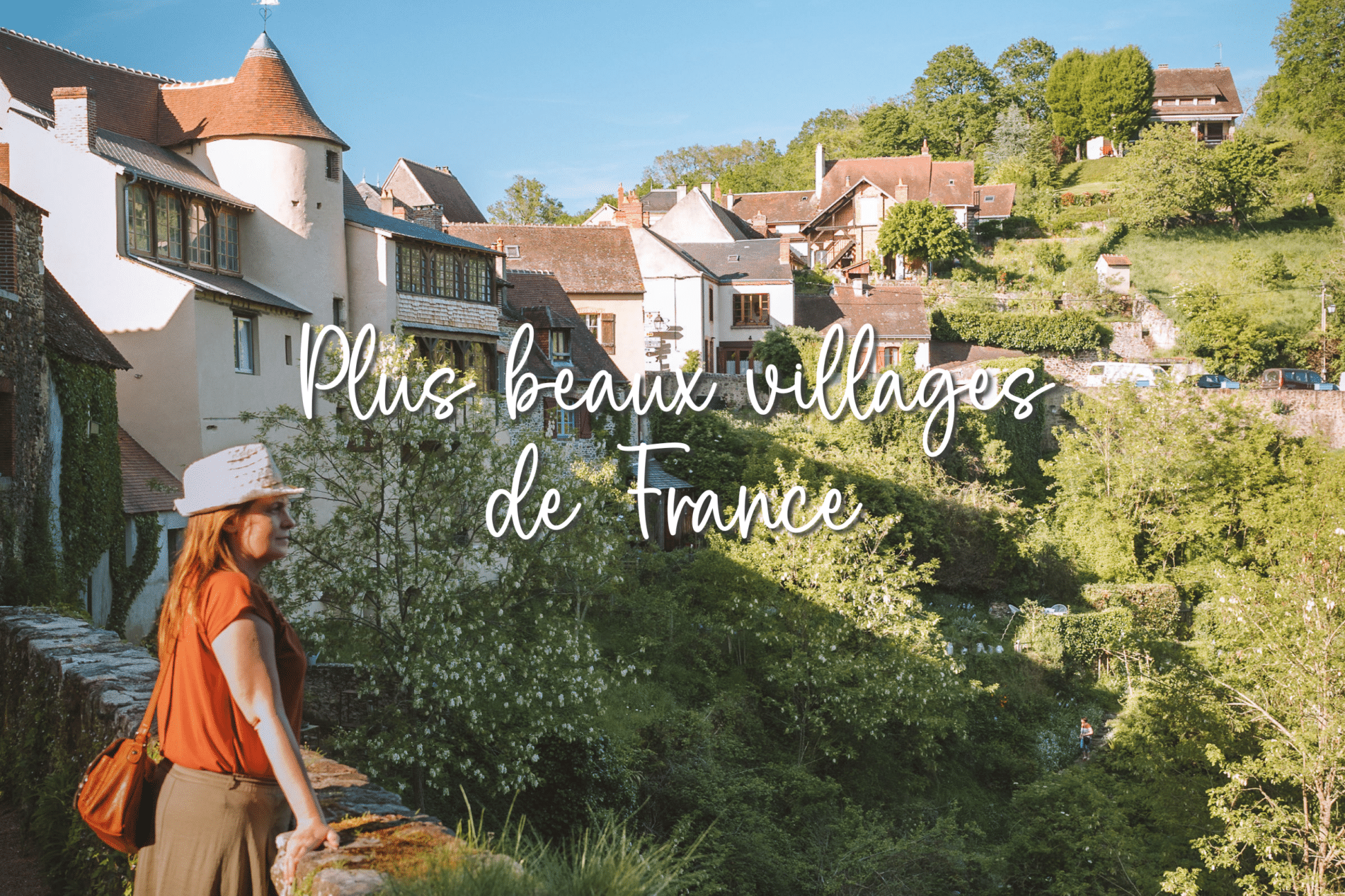
Listed since 1982 as one of the most beautiful villages in France, the village of Gargilesse today welcomes many tourists and pilgrims attracted by the romantic charm of its tightly packed houses, with their steep roofs covered with brown tiles, clustered around the castle and its Romanesque church. Hélène, a resident of Gargilesse, will guide you step by step to discover the village and its artisans.
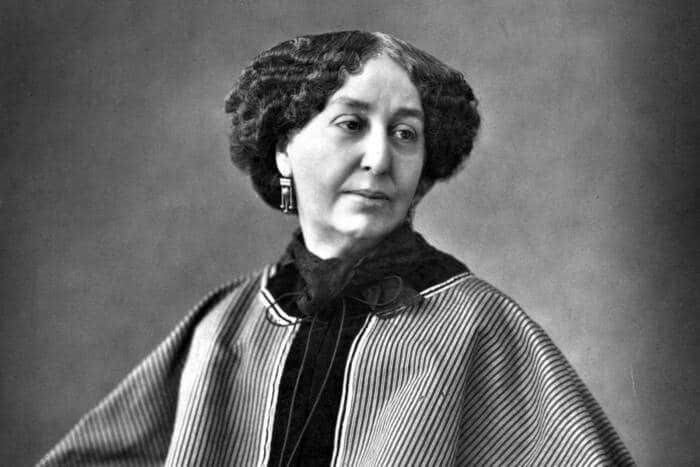
George Sand“For several years now, the small village of Gargilesse, located near the confluence of these running waters, has become a meeting place, the Fontainebleau of a few well-informed artists. It will certainly gradually attract many others, for it well deserves it. It is a nest beneath the greenery, protected from the cold winds by masses of rocks and the roughness of fertile and gently tormented terrain. Streams of running water, some twenty springs, bathe the foot of the houses and maintain the lush greenery of the enclosures.”
We park the car in one of the parking lots at the entrances to the village… This one is called the “Squirrel Parking Lot”. Here, a large wooden squirrel, sculpted by Alain Bonithon , watches over the vehicles, opposite the Violettes Cemetery. The cemetery is located where the original village stood and where you can still see the remains of an old tower of a medieval hospital.
Walking down Rue des Violettes, we cross the Gargilesse River and pass an art gallery next to the charming town hall located on Place Fernand Baudat , named after the man who was mayor of Gargilesse for 42 years (from 1947 to 1989). It was Fernand Baudat who brought to the village, among other things, the tradition of craftsmanship, and more specifically that of pottery, since he was a potter himself.
Indeed… Walking back up the rue des violettes where we are, we arrive at the shop/Pottery of Gérard Baudat who continues the family tradition in Gargilesse.
To the left of the pottery, at the end of the George Sand walkway, lies the famous little house of George Sand in Gargilesse, a house given to her in 1857 by her last lover, the engraver Alexandre Manceau. It bears the name of the African butterfly they found on the banks of the Creuse River… It is the Villa “Algira” . This house-museum is open to visitors from May to October.
We now go up Rue du Père Moreau, named after the man who was the guide of George Sand and Alexandre Manceau when they came to stay...
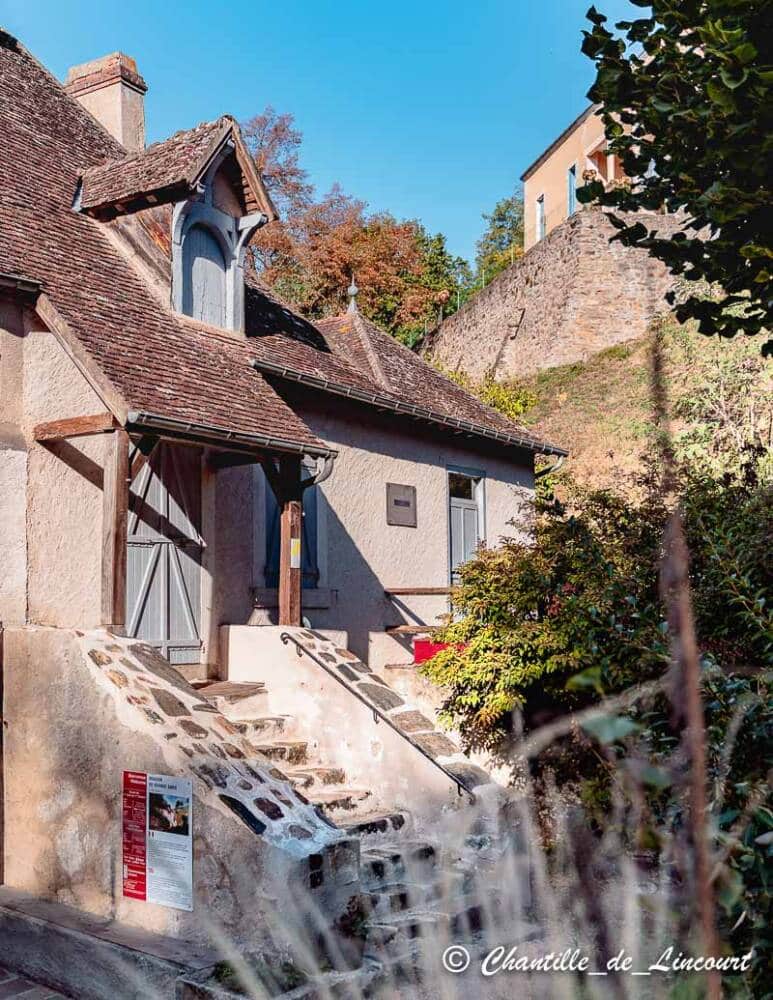 ©Chantille de Lincourt / Berry Province
We walk alongside the "Le George Sand" hotel-restaurant, established in 1910 and recently renovated, offering modern comforts while retaining its original charm. It is open from May 1st to September 30th. Next to the terrace of the "GS" (as it's known locally), the white clay workshop/boutique of ceramicist Bénédicte Clément welcomes you year-round. We then arrive at the former presbytery, which houses the tourist office and Valérie Denis's terrarium -making workshop . Valérie also offers individual and group workshops for adults and children throughout the year.
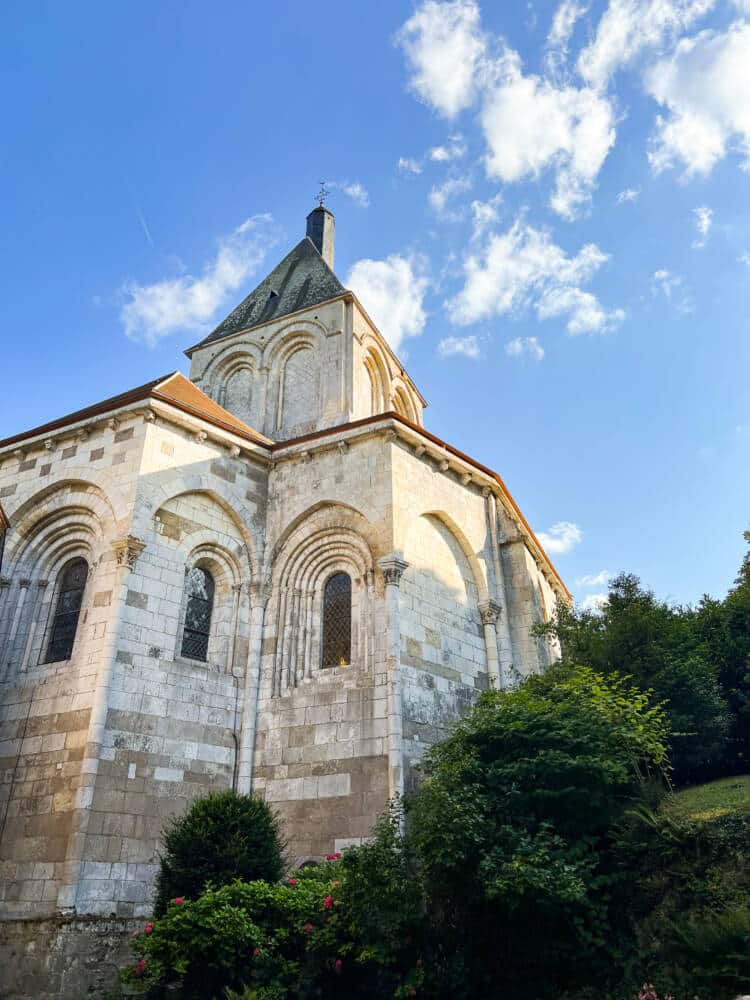
Opposite this building lies the heart of the village: the castle square. The Château de Gargilesse, a historical monument dating from the 12th and 18th centuries, is open to the public during the warmer months.
It hosts high-quality exhibitions, each time providing a great opportunity to discover the interior of the castle and visit its park. It was on this square, in a pretty house with blue shutters, that the painter lived. Henri Jamet, then his son Pierre Jamet, harpist de international renown. In 1964, he created the International Harp Academy and then the Gargilesse Festival, which continue and are reborn every year in August. It is thanks to him that Gargilesse has become one of the world capitals of the harp.
If we go up the narrow Henri and Pierre Jamet alley which leaves from the square, we arrive at the “Intramuros 36” gallery where the works of the pastel artist Mojeanne and the wood sculptor Alain Favier are exhibited, then at the gallery of the house of Annette, where the metal designer and jeweler Jacky Fabioux sets up shop every summer.
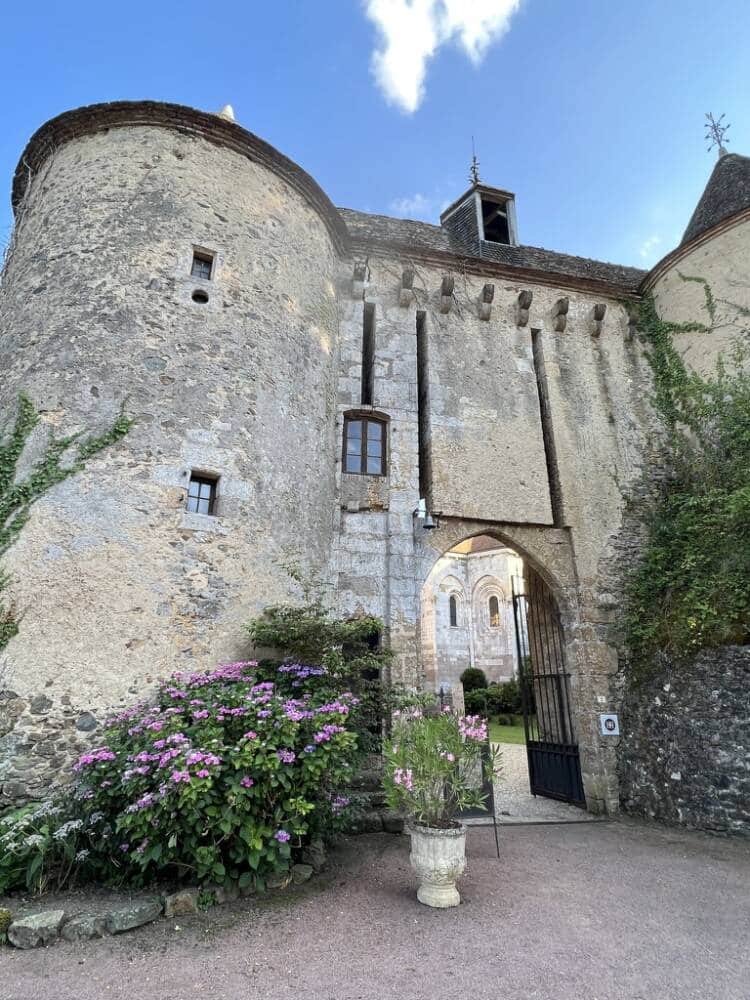 ©L. Hauchard
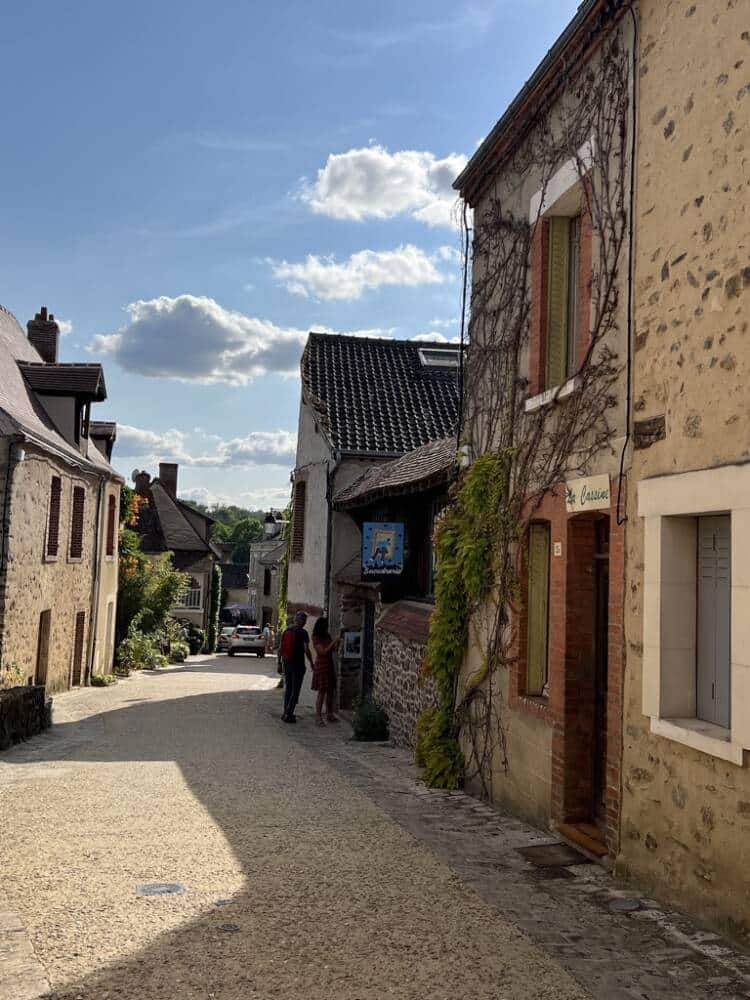
Here we are again in Father Moreau Street where the frame maker's workshop is located at No. 33. Catherine Lienard, and also a gallery where we can discover exhibitions of painters from the Vallée de la Creuse (every afternoon of the year except Tuesday). It is at this address that one can visit, by appointment, the painter's studio Leon Detroy. In fact, this impressionist painter, after reading “Walk around a village”, written by George Sand, settled in Gargilesse in 1885. Vallée de la Creuse was then a favorite place for Impressionist painters. The Léon Detroy studio-house would later become, until 1961, the home ofAurore Sand, George's granddaughter.
 ©L. Hauchard
After the framing shop, at the crossroads: if we turn right, we can take a moment to admire the magnificent view of the castle. A little further on, after the parking lot at the edge of the village, the Céline bridge is the starting point for several hiking trails around Gargilesse. If we continue straight ahead, around the bend in the narrow streets, we will come across the sculptures of Jean Claeys (1941-2023), who lived here, not far from the studio of the painter Catherine Césari (visits by appointment). Heading towards the Route du Pin, we can visit the galleries of the well, the Grange aux Fées (Fairy Barn), and the Roc. Continuing along this road, we will arrive at the multi-service café, “Ô Gargilesse,” which has a magnificent terrace overlooking the entire village. This venue, open year-round, is housed in the former school, and beside the bar, you can take the "schoolchildren's path" which leads to the town hall. Ô Gargilesse is next door to the museum dedicated to Serge Delaveau (1911–1999), which houses the works of this painter who lived in Gargilesse and bequeathed a large part of his oeuvre to the museum. This museum is primarily open during the summer and also features other artists.
 ©L. Hauchard
Not sure one day is enough to fully enjoy it!